Landscape, labor, and local pace shaping an introduction to coffee country
Walking through Colombia’s Coffee Region introduces a way of traveling shaped by terrain and routine rather than distance alone. The region, known for its rolling hills and small farming communities, reveals itself gradually. Movement on foot allows closer engagement with landscape, work, and daily life.
Terrain and movement
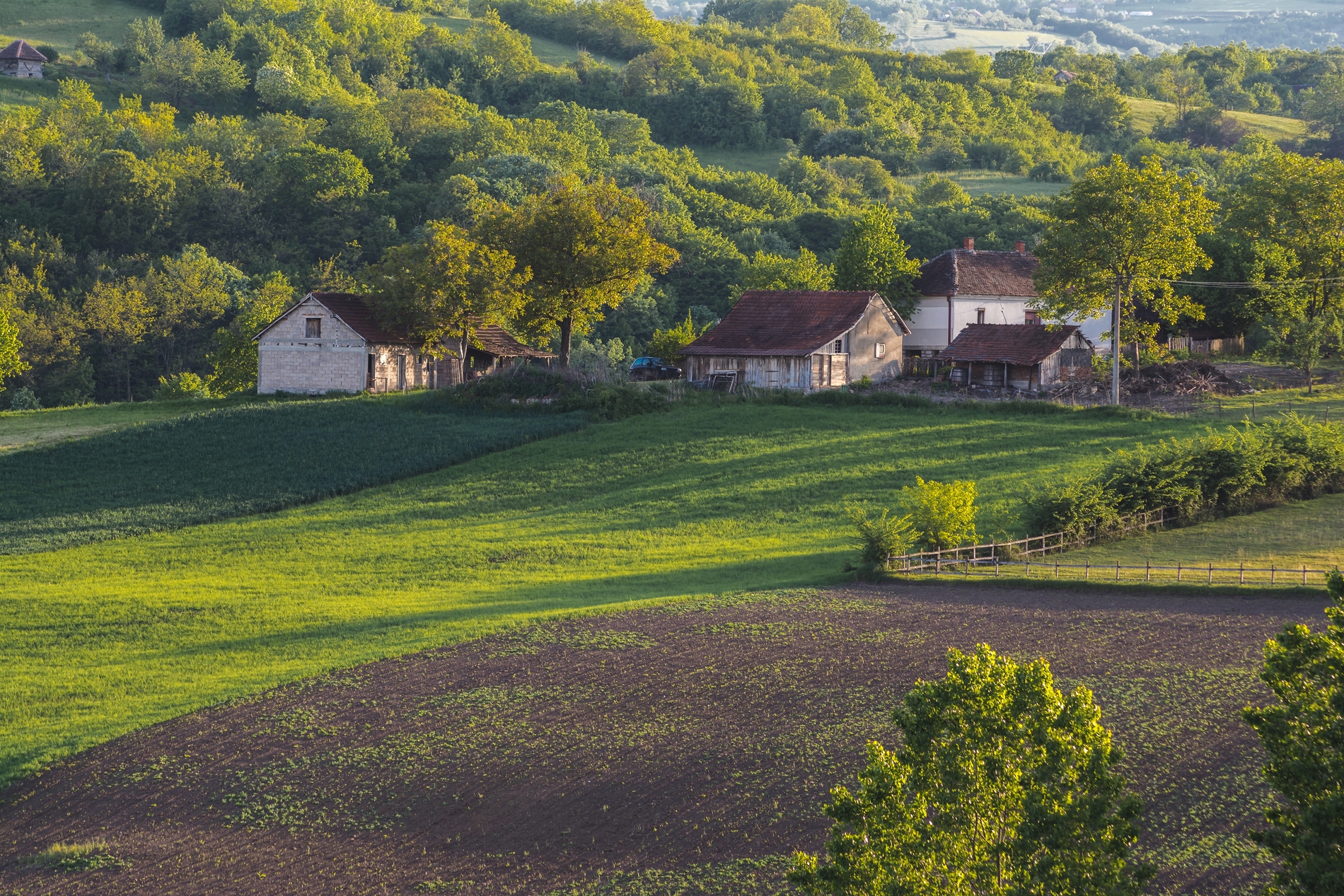
The land defines the experience. Hills rise and fall continuously, paths shift between paved roads and dirt tracks, and walking requires steady pacing. Distances that appear short on a map often take longer due to elevation changes. Comfortable footwear and flexible expectations support a more grounded experience.
Farms as living workplaces
Coffee farms are active production spaces rather than static attractions. Walking routes often pass through or alongside fincas where cultivation, drying, and sorting take place. Observing these processes highlights how coffee production relies on timing, weather, and manual labor. Farms operate according to seasonal cycles, and daily routines reflect those demands.
Small towns and social rhythm
Towns in the Coffee Region function as service and gathering centers. Cafés, bakeries, and central plazas structure daily movement. Walking through these towns reveals patterns shaped by work schedules and climate. Mornings are active, afternoons slow, and evenings social. These rhythms influence how travelers move and rest.
Climate and pacing
The climate supports walking but requires adjustment. Warm days, sudden rain, and humidity affect energy levels. Regular pauses and hydration support endurance. Walking becomes less about covering ground and more about maintaining comfort and awareness.
Coffee as cultural context
Coffee is present at every level of experience. It appears in fields, homes, markets, and conversation. Drinking coffee locally connects the product to place and labor. Walking through the region clarifies how coffee functions as livelihood, tradition, and shared reference point.
Orientation and navigation
Signage can be limited outside main routes. Local guidance plays an important role in navigation. Asking for directions often leads to brief conversation, reinforcing the social nature of movement through the region. Navigation becomes a cooperative process rather than an individual task.
Walking through Colombia’s Coffee Region for the first time emphasizes attentiveness over speed. Landscape, labor, and local routine shape the journey. When movement follows the pace of the region, walking becomes a way to understand place through presence and continuity.