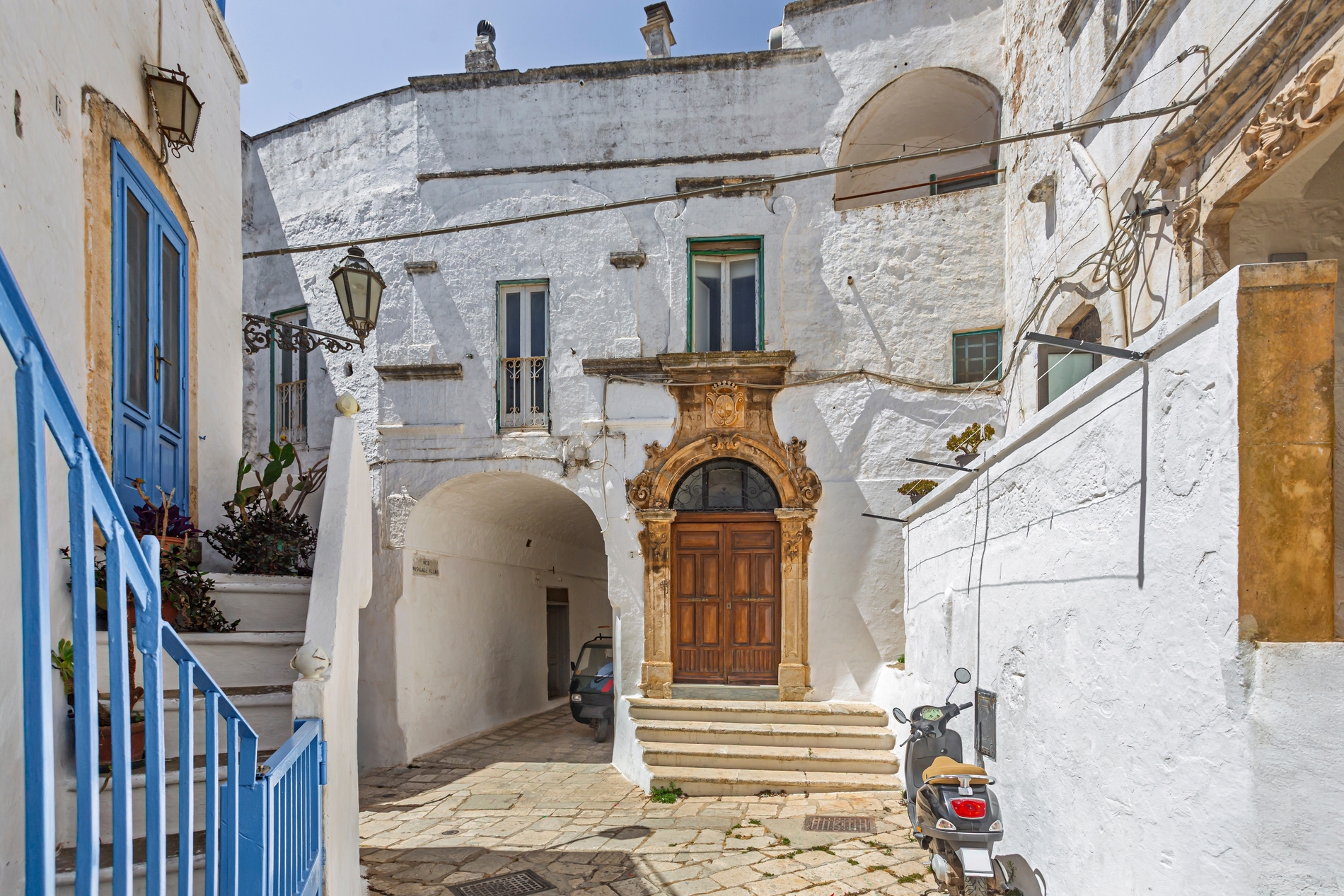
Add depth and personality to your space with layered textures
Mixing textures in interior design is one of the easiest ways to make a room feel inviting and visually interesting. Texture adds depth, contrast, and a sense of comfort, even in minimal or modern spaces. By combining different materials, fabrics, and finishes, you can create a cohesive look that feels dynamic and layered without feeling chaotic.
Start With a Base Texture
Every room needs a foundation to build upon. This could be a neutral rug, wooden flooring, or a painted wall with a smooth finish. Base textures provide balance and help other elements stand out. For example, a soft, woven rug can anchor a living room while letting furniture and accessories take center stage. Choosing a consistent base texture ensures that layering additional materials does not feel overwhelming.
Introduce Contrasting Materials
Once you have a base, introduce contrasting materials to add interest. Combine rough with smooth, soft with hard, or shiny with matte finishes. For example, a sleek leather sofa paired with a chunky knit throw creates a cozy yet stylish effect. Wooden furniture can be complemented by metal accents, or a smooth glass vase can stand out on a textured stone table. Contrasting textures help each element pop while keeping the space visually engaging.
Layer Fabrics Thoughtfully
Textiles are an easy way to mix textures in any room. Use a combination of cushions, throws, and curtains in different fabrics. Linen, velvet, wool, cotton, and silk all bring unique tactile qualities. Layering fabrics with different weights and patterns creates a sense of depth. For example, a velvet pillow on a linen sofa paired with a soft wool throw adds warmth and comfort without clashing.
Play With Patterns and Surface Finishes
Patterns can also contribute to texture, especially when combined with tactile elements. A patterned rug over hardwood floors, a geometric tile backsplash, or a textured wallpaper adds visual interest. Surface finishes like matte, glossy, or distressed wood can be combined for a rich, layered effect. Keep colors complementary to maintain harmony while experimenting with different patterns and textures.
Consider Natural Elements
Incorporating natural textures brings warmth and a sense of grounding. Stone, wood, plants, and woven baskets can add organic depth. For instance, a wooden coffee table on a soft shag rug with potted greenery nearby introduces multiple tactile experiences that make the space feel alive. Natural elements are versatile and pair well with almost any style, from modern to rustic.
Balance Is Key
When mixing textures, balance is essential. Avoid overwhelming a space with too many competing elements. Stick to a limited color palette and repeat textures in small doses throughout the room. This approach creates cohesion while maintaining variety. Less dominant textures can complement statement pieces, ensuring the room feels curated rather than cluttered.
Enjoy the Process
The beauty of mixing textures is the flexibility it offers. Experiment with different combinations, move elements around, and trust your instincts. The right textures can turn a simple room into a warm, inviting, and visually interesting space that reflects your personality.
Mixing textures in interior design is all about layering materials, fabrics, and finishes in a balanced and thoughtful way. By combining smooth with rough, soft with hard, and natural with polished elements, you can create a home that is comfortable, stylish, and full of character.