Tips and insights for planning a visit with confidence
Iran has some of the richest history and culture in the world. People know it for ancient cities, grand architecture, delicious food, and warm hospitality. Many travelers who visit share positive experiences with friendly locals and memorable sights. However, current safety and travel guidance can vary depending on your home country and global events, so it helps to know both sides of the story before you go.
Check Travel Guidance First
Before booking flights, check the travel advice from your government or trusted sources. Some governments strongly recommend not travelling to Iran right now due to unrest, regional tensions, and risks such as arbitrary detention or unpredictable political situations. This advice may affect visas, insurance, and the support you can receive if problems arise while you are there.
That said, many visitors still go to Iran and report that day to day life in tourist areas feels safe, and they experience low crime and friendly local interactions. In places like bazaars, parks, and heritage sites, foreign guests often feel welcomed and secure.
Plan Your Visa and Entry
You generally need a visa to enter Iran. Most travellers apply for an electronic visa (e-Visa) before flying. Requirements vary based on your nationality, and some visitors must use a registered travel agency to secure approval. Your passport should be valid for at least six months beyond your stay.
Respect Local Culture and Laws
Iran is a country with strong cultural and religious traditions. Dress modestly and follow local customs to show respect and avoid misunderstandings. Women are expected to cover the hair and wear loose clothing. Men should avoid shorts and sleeveless shirts in public.
Keep Your Documents and Money Safe
Carry copies of important documents and leave originals in a secure place like your hotel safe. Pickpocketing and petty theft can happen in crowded areas, so stay alert, especially in popular markets or transit hubs. Keeping a little cash separate from your main wallet can help in daily expenses.
Stay Informed While You’re There
Points of interest can change quickly because of political or public events. Avoid large gatherings, demonstrations, or any situation that seems tense. If you are unsure about where to go or what to do, local guides or hotel staff can be good sources of current information.
Travel and Health Basics
Public transport, taxis, and rideshare apps are commonly used in Iranian cities. Roads can be busy, so plan enough time for transfers. Drinking bottled water and taking regular breaks in warm weather helps prevent dehydration, especially in summer.
Make Friends with Local Hospitality
Many travellers notice that locals go out of their way to be helpful. Hospitality is a big part of Persian culture, and guests often receive warm welcomes in homes, restaurants, or shops. This friendly atmosphere is one of the highlights for many who visit.
What to Expect in Iran
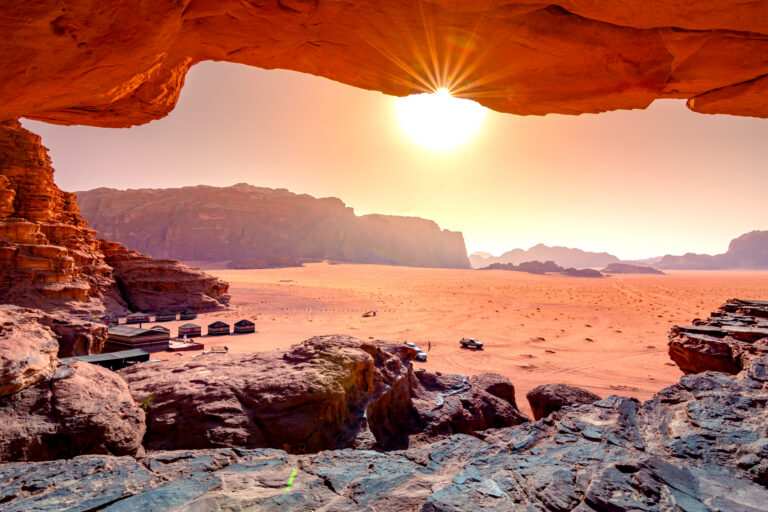
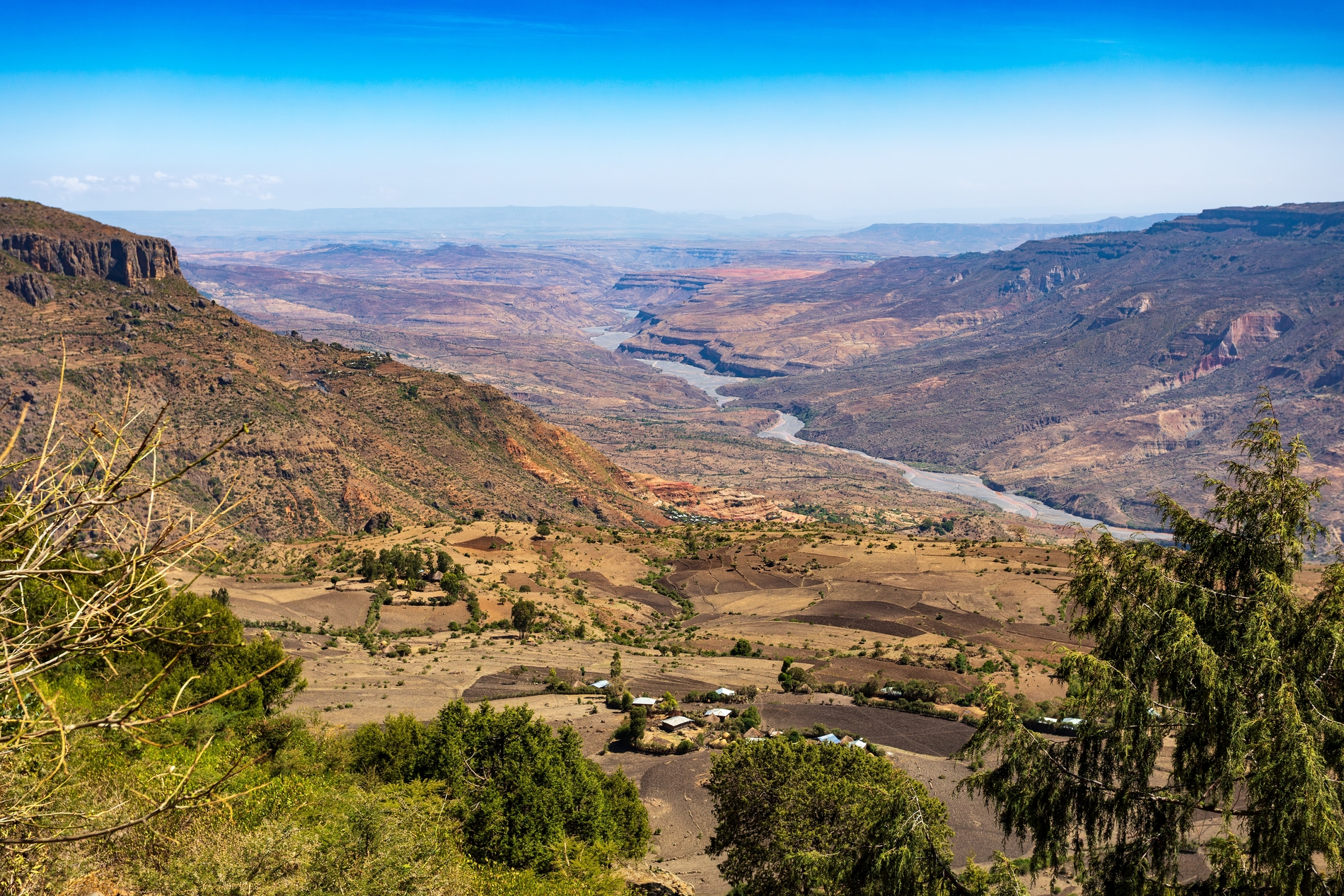
Iran offers a blend of experiences, from ancient ruins and timeless architecture to rugged deserts and lush mountains. Cities like Tehran, Isfahan, Shiraz, and Yazd each have their own character. Historic mosques, beautiful gardens, and busy bazaars make exploring by foot rewarding.
The food scene reflects regional flavors, with hearty stews, kebabs, rice dishes, and sweet treats. Tea is part of daily life, and sharing a cup can be a way to connect with locals.
Final Thoughts
Travel to Iran can be deeply rewarding, offering culture and history found in few places in the world. Before you go, take time to research visas, government travel advice, and local customs so you can plan wisely and respectfully. Stay aware of your surroundings, respect cultural norms, and enjoy the chance to learn about a rich and vibrant culture on your terms.