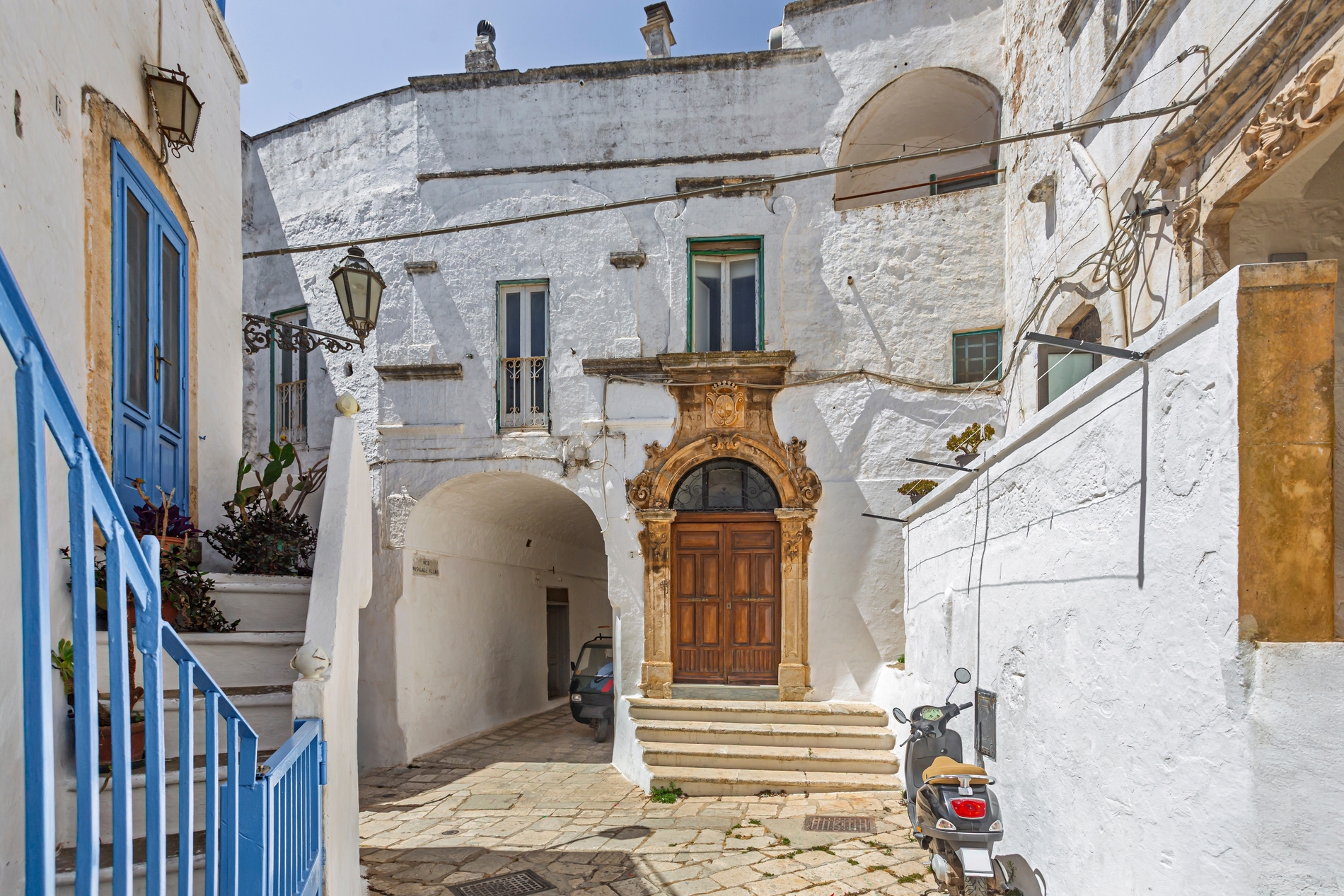
Simple spaces can still feel warm, welcoming, and uniquely yours.
When people hear the word minimalism, they often imagine plain white walls, empty rooms, and furniture with little character. While some minimalist spaces look that way, true minimalism is not about removing everything you love.
Instead, it is about keeping the things that matter most and creating a space that feels calm, functional, and personal at the same time.
The goal is not to make your home look like a showroom. The goal is to make it feel comfortable without unnecessary clutter.
Start With What Matters Most
One of the easiest ways to maintain personality in a minimalist space is to focus on meaningful items rather than decorative fillers.
Instead of filling shelves with random accessories, display pieces that tell a story. This could be a favorite travel souvenir, family photographs, artwork, or a collection you’ve built over time.
When every item has a purpose or memory attached to it, the space naturally feels more personal.
Use Colour Thoughtfully
Minimalism does not mean everything has to be white, beige, or grey.
A carefully chosen colour palette can add warmth and character without making a room feel busy. Soft earth tones, rich greens, warm terracottas, or deep blues can bring life into a space while still maintaining a clean look.
Even small touches of colour through cushions, artwork, or decorative accents can make a big difference.
Let Texture Do the Talking
When a room contains fewer items, texture becomes more important.
Natural wood, woven fabrics, linen curtains, stone surfaces, and soft rugs can add depth and interest without creating visual clutter. These details help a minimalist space feel inviting rather than cold.
Layering different textures creates a sense of comfort while keeping the overall design simple.
Display Your Personal Style
Minimalism works best when it reflects the people who live in the space.
If you love books, keep a carefully curated bookshelf. If you enjoy art, showcase a few meaningful pieces. If you appreciate vintage finds, choose one or two standout items instead of filling every corner.
Personality comes from thoughtful choices, not from having more things.
A well-selected collection often makes a stronger statement than an overcrowded room.
Focus on Quality Over Quantity
One of the key principles of minimalism is choosing fewer but better items.
Instead of purchasing multiple decorative pieces, invest in furniture, lighting, and accessories that you genuinely love. Quality pieces tend to have more character and often remain timeless for years.
This approach creates a cleaner look while helping each item stand out.
Create Space for Everyday Living
A home should support your lifestyle, not just look good in photos.
Minimalism can make daily life easier by reducing distractions and keeping important items organized. At the same time, the space should still feel lived in and comfortable.
Leave room for hobbies, family activities, and the things that make you happy. A minimalist home should never feel restrictive.
Finding the Right Balance
The best minimalist spaces strike a balance between simplicity and individuality. They remove unnecessary clutter without removing character.
By focusing on meaningful items, adding texture, choosing colours thoughtfully, and displaying pieces that reflect your personality, you can create a home that feels calm, stylish, and uniquely yours.
After all, minimalism is not about having less for the sake of it. It is about making room for what matters most.