How buildings carry memory, belief, and belonging across generations
Architecture does more than provide shelter. It reflects how people see themselves, how they organize community, and what they value. Across cultures, buildings serve as physical records of identity. Materials, layout, ornament, and spatial design all communicate history and worldview. When preserved and maintained, architecture becomes a living archive of collective memory.
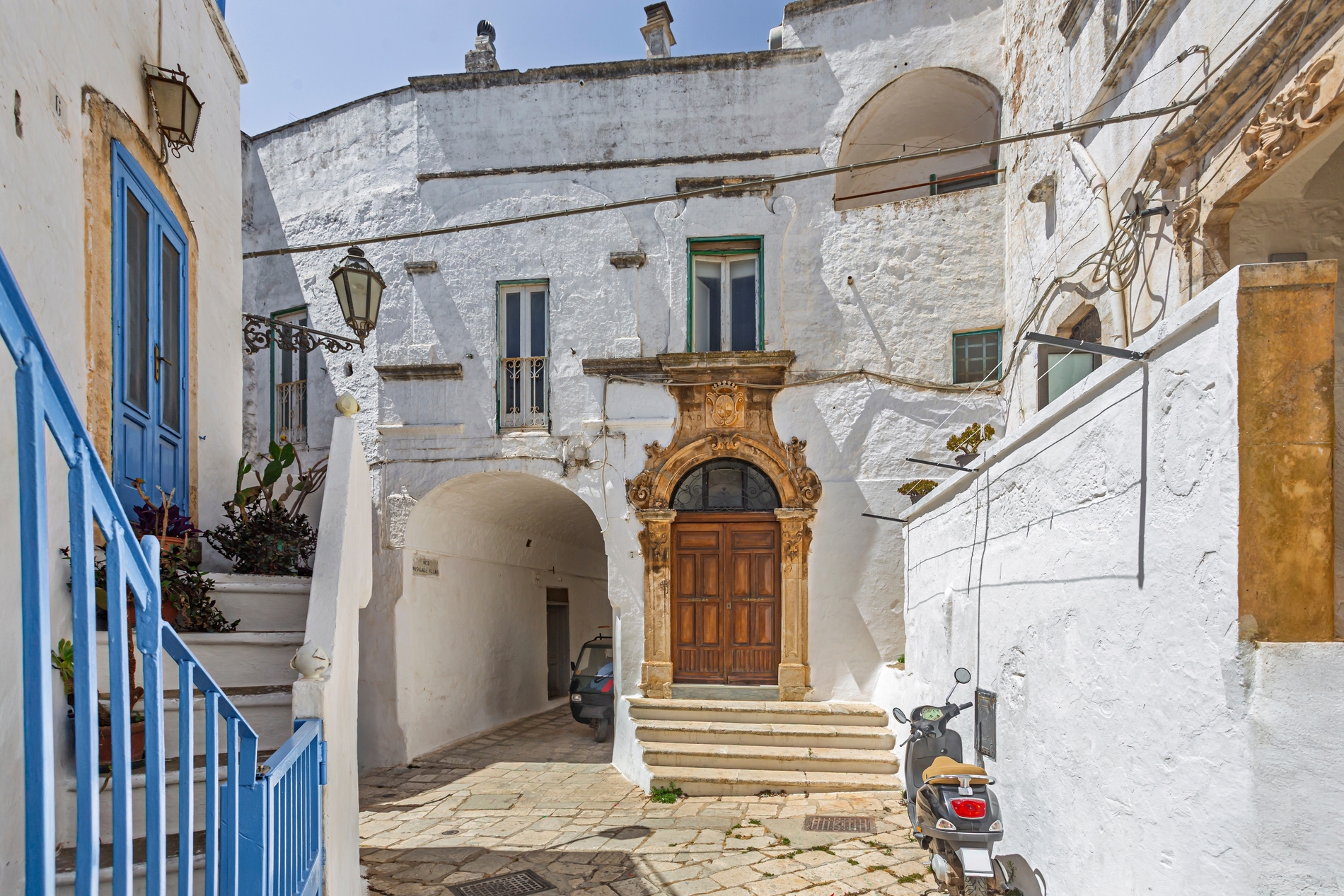
Cultural identity is often shaped by environment. Climate, geography, and available resources influence how structures are built. In desert regions, thick walls and courtyards protect from heat. In colder climates, compact layouts conserve warmth. These practical decisions become traditions over time, passed down through generations. What begins as necessity evolves into recognizable architectural language.
Religious and ceremonial structures play a central role in cultural preservation. Temples, mosques, churches, shrines, and sacred sites embody belief systems in built form. Their orientation, decoration, and spatial hierarchy express spiritual values. Even when communities migrate or face disruption, rebuilding these spaces often becomes a priority because they anchor identity and continuity.
Public architecture also reinforces cultural belonging. Town squares, marketplaces, and community halls reflect how societies gather and interact. These spaces encourage shared experience. When they are preserved, they maintain social rhythm and memory. When they disappear, communities can feel disconnected from their roots.
Traditional craftsmanship is embedded in architecture. Techniques such as stone carving, wood joinery, tile work, and brick laying carry knowledge developed over centuries. Preserving historic structures protects not only the building itself but also the skills required to maintain it. This transfer of knowledge keeps cultural practices alive in tangible form.
Urban identity is shaped by architectural style. Historic districts often define how a city is recognized globally. Whether through domed skylines, colonial facades, or vernacular housing, these visual markers create a sense of place. Residents often form emotional connections to these environments because they reflect shared heritage.
Modern development presents both opportunity and challenge. Rapid urbanization can threaten traditional structures, replacing them with uniform designs that lack local character. At the same time, contemporary architects increasingly seek to blend innovation with cultural reference. Thoughtful integration of traditional motifs, materials, and spatial principles into new projects helps preserve identity while meeting modern needs.
Architecture also plays a role in post conflict or post colonial recovery. Restoring historic landmarks can symbolize resilience and continuity. Reconstruction efforts often carry emotional weight, reaffirming identity after periods of disruption.
Importantly, preservation does not require freezing culture in time. Adaptive reuse allows historic buildings to serve new purposes while maintaining original character. This approach keeps architecture active within community life rather than isolating it as a museum artifact.
The role of architecture in preserving cultural identity lies in its permanence. Buildings outlast generations. They witness change while holding traces of the past. Through walls, streets, and skylines, architecture tells stories about who people are and where they come from.
When communities protect and thoughtfully evolve their built environment, they safeguard more than physical space. They preserve belonging, memory, and the visible expression of culture itself.