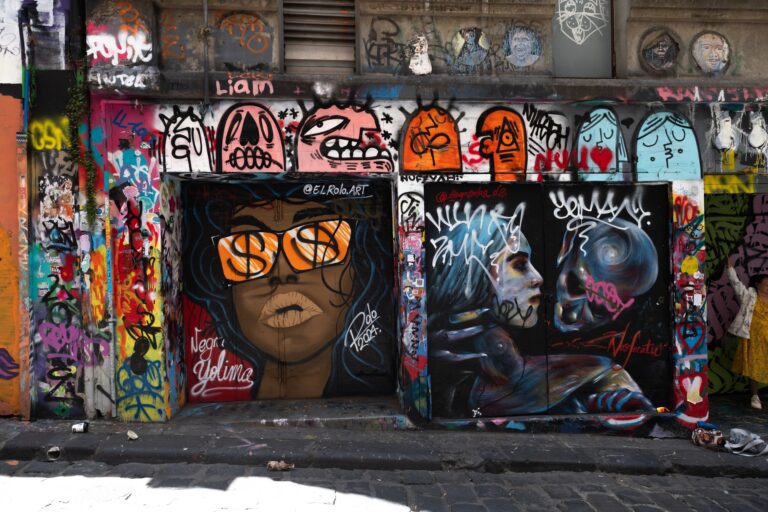
Cultural memory expressed through sound, movement, and collective practice
Afro-Cuban music and dance developed within a history shaped by displacement, survival, and cultural continuity. Enslaved Africans brought rhythmic systems, spiritual traditions, and movement vocabularies that were preserved and adapted under restrictive conditions. Music and dance became ways to maintain identity and transmit knowledge across generations.
Rhythm forms the foundation of Afro-Cuban expression. Percussion instruments such as congas, bongos, batá drums, and claves organize musical structure and guide movement. These rhythms are not decorative. They follow established patterns tied to specific social and spiritual contexts. Rhythm functions as a system of communication, coordination, and memory.
Dance operates as an extension of musical structure. Movements respond directly to rhythm, emphasizing grounded posture, isolation, and controlled repetition. Each gesture carries meaning shaped by ritual practice, labor, and communal life. Dance is learned through participation rather than formal notation, reinforcing embodied knowledge.
Spiritual traditions play an important role in shaping Afro-Cuban forms. Music and dance are closely connected to religious practices such as Santería, where rhythm and movement support ceremony and invocation. These practices preserved African belief systems while adapting to new environments. Cultural expression remained active through continuity of ritual and performance.
Resistance is present through preservation rather than opposition alone. Maintaining language, rhythm, and movement under conditions that discouraged cultural autonomy required discipline and collective effort. Music and dance provided structure, belonging, and continuity within constrained circumstances. These practices reinforced identity through repetition and shared participation.
Afro-Cuban forms also developed within urban and social spaces. Community gatherings, festivals, and public performances allowed music and dance to circulate and evolve. Innovation occurred within established frameworks, supporting adaptability without erasing tradition.
The rhythm and resistance in Afro-Cuban music and dance reflect a sustained cultural practice rooted in knowledge, structure, and collective memory. Through sound and movement, communities preserved identity and meaning. These traditions continue to shape cultural expression through disciplined practice and shared understanding.