A small island that feels layered, lived in, and quietly surprising
Malta often looks simple on a map, but traveling through it feels far more layered than expected. This tiny Mediterranean island packs history, daily life, and modern rhythm into a space you can cross in under an hour. What makes Malta memorable is not a checklist of sights, but how easily ancient and ordinary life sit side by side.
Traveling here feels less like sightseeing and more like settling briefly into someone else’s routine.
The Island Feels Dense, Not Crowded
Malta is compact, and that shapes the experience. Towns blend into one another, and it is common to pass centuries old buildings on the way to grocery stores or cafés. Nothing feels isolated. Life is woven tightly together.
Despite the density, Malta does not feel chaotic. There is a steady pace to daily life. Locals move with purpose, but rarely with rush. Visitors quickly learn to slow their expectations rather than their plans.
History Is Everywhere, Not Staged
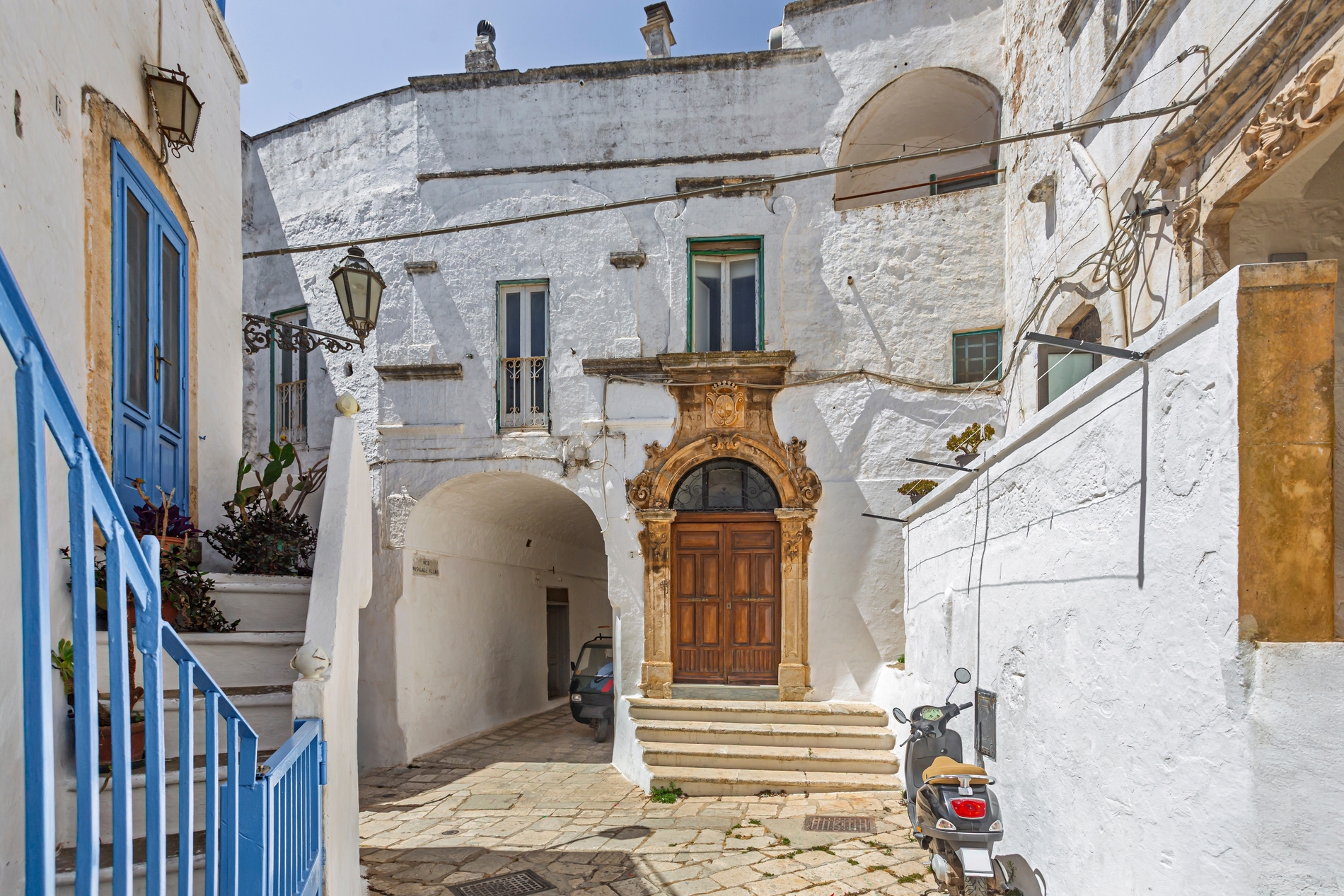
One of the first things travelers notice is how present history feels. Fortified walls, stone balconies, and narrow streets are part of everyday movement, not preserved attractions behind ropes.
In Valletta, history feels grand and formal. In smaller towns, it feels domestic. You might see ancient stone next to laundry lines or children playing football in old courtyards. This mix makes Malta feel lived in rather than curated.
Getting Around Takes Patience
Distances are short, but travel time can surprise first time visitors. Buses are affordable and widely used, though schedules can feel flexible. Traffic builds quickly during busy hours.
Many travelers choose a mix of buses, walking, and taxis. Once you accept that movement takes time, frustration fades. Malta rewards patience more than efficiency.
Food Is Simple and Honest
Malta’s food culture is understated but satisfying. Meals focus on comfort rather than presentation. Expect fresh bread, seafood, stews, pasta, and pastries that feel homemade rather than polished.
Eating out feels social. Long meals are common, especially in the evening. There is no pressure to rush. Food is woven into conversation and time rather than treated as an event.
The Sea Is Always Close
No matter where you are, the sea never feels far. Coastal walks, small coves, and open views appear often, even in urban areas. Swimming is part of daily life during warmer months, not just a holiday activity.
The coastline is rocky rather than sandy in many places, which adds to the rugged beauty. Time near the water feels natural and unforced.
Locals Shape the Experience
Malta’s character comes largely from its people. Locals are direct, warm, and proud of the island. Conversations happen easily, whether in cafés, shops, or buses.
English is widely spoken, which removes barriers while still allowing the island to feel distinct. Visitors often feel welcomed without being treated as outsiders or spectacles.
Island Life Comes With Contrasts
Malta is deeply traditional and surprisingly modern at the same time. Religious processions pass by bars and construction sites. Old customs exist alongside new developments.
These contrasts are not hidden. They are part of daily life. Understanding this balance helps travelers appreciate Malta without idealizing it.
What Travelers Often Misjudge
Many people expect Malta to feel like a resort destination. In reality, it feels like a working island that happens to be beautiful. Daily routines continue around visitors, and that authenticity is what makes the experience meaningful.
Those who try to fit too much into a short stay often miss this.
Final Thoughts
Traveling through Malta feels grounded and human. It is not about chasing highlights or dramatic moments. It is about walking, eating, observing, and letting the island reveal itself slowly.
Malta stays with you not because it overwhelms, but because it feels real.