Culture, history, and practical tips for a meaningful first trip
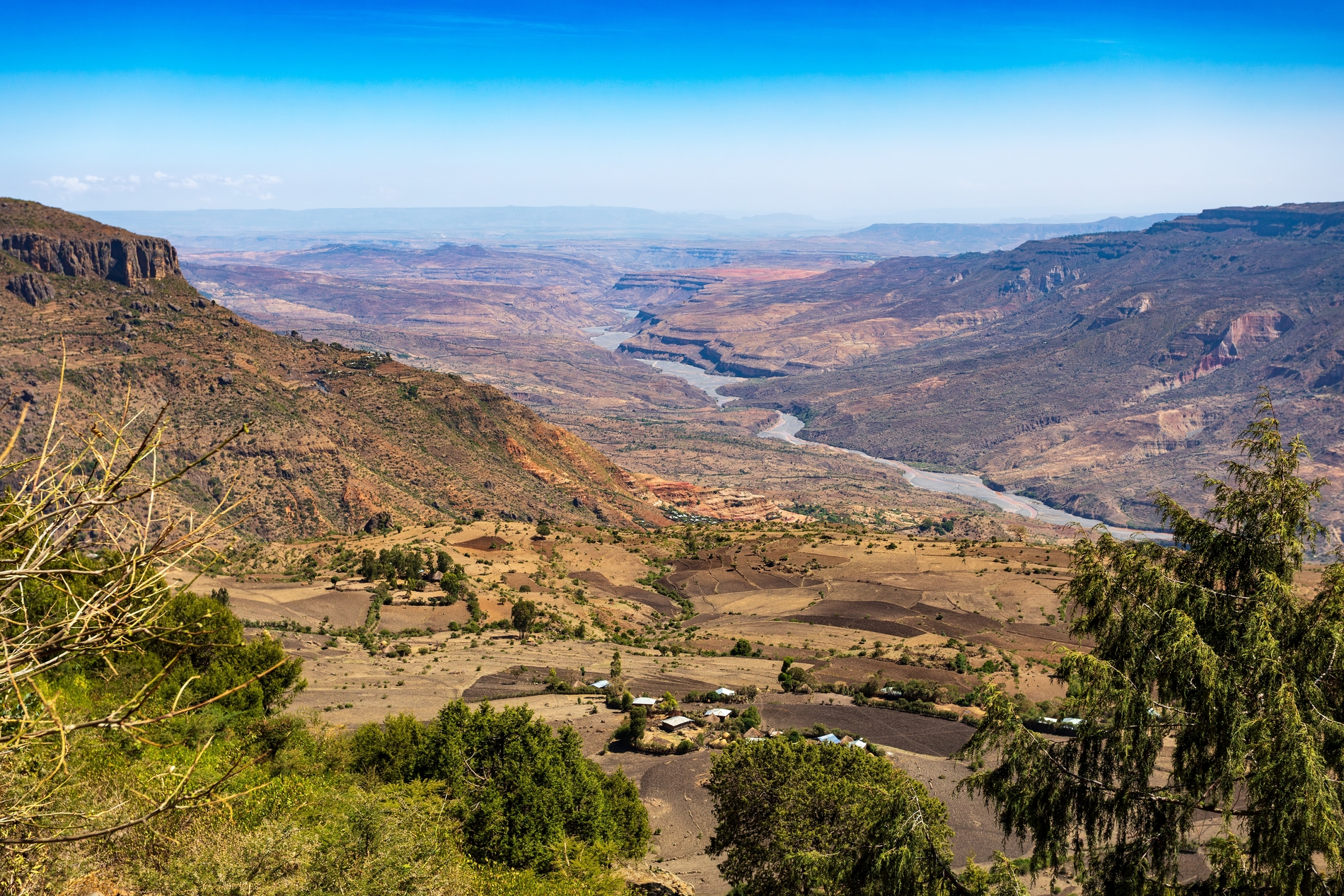
Ethiopia is one of Africa’s most historically rich and culturally layered destinations. For first time visitors, it can feel both inspiring and unfamiliar. With ancient churches carved into rock, highland landscapes, distinct cuisine, and a calendar that differs from much of the world, Ethiopia offers an experience shaped by deep tradition and strong identity. Preparing ahead helps you travel with respect and confidence.
Understand the Cultural and Historical Depth
Ethiopia’s history spans thousands of years. It is home to one of the world’s oldest civilizations and maintains a strong connection to its ancient roots. Sites such as Lalibela’s rock hewn churches, the ruins of Aksum, and Gondar’s castles reflect this long continuity.
Religion plays a visible role in daily life. Ethiopian Orthodox Christianity has shaped architecture, festivals, and customs for centuries. Islamic communities and other religious traditions are also present, especially in eastern regions. Modest dress is appreciated in religious sites. Removing shoes before entering churches or mosques is standard practice.
Respect for elders and hospitality are central values. Greetings are important. Taking time to acknowledge people warmly is part of social etiquette.
Be Ready for Unique Food Traditions
Ethiopian cuisine is distinctive and communal. Injera, a fermented flatbread made from teff, serves as both plate and utensil. Stews known as wats are shared from a common platter. Eating with your hands is traditional, and washing hands before and after meals is common.
Spices play a major role in flavor. Dishes can range from mild to very rich. Vegetarian and fasting options are widely available due to religious practices. Coffee ceremonies are also significant. Coffee originated in Ethiopia, and its preparation is treated as a ritual that emphasizes patience and connection.
Plan for Logistics and Travel Conditions
Travel infrastructure varies depending on location. Addis Ababa offers international connections and modern amenities. Outside the capital, road conditions and transport options can differ widely. Domestic flights are often the most efficient way to move between regions.
Altitude is another factor. Many destinations, including Addis Ababa and Lalibela, sit at high elevation. Visitors may need time to adjust to thinner air. Staying hydrated and pacing activities helps.
Visa requirements should be checked in advance. Many travelers can apply for an e visa online. Carrying some local currency is helpful, especially outside major cities where card payments may not be accepted.
Understand the Calendar and Time System
Ethiopia follows its own calendar, which differs from the Gregorian calendar used in most countries. The Ethiopian calendar is about seven to eight years behind and has thirteen months. Time is also counted differently, beginning at sunrise rather than midnight. These differences can cause confusion, so clarifying dates and times during bookings is important.
Travel With Openness and Patience
Ethiopia rewards curiosity and flexibility. Schedules may shift. Infrastructure may not always match expectations. However, these challenges are balanced by strong cultural pride, dramatic landscapes, and genuine hospitality.
Visiting Ethiopia for the first time is not only about sightseeing. It is about understanding a country that has maintained its identity through centuries of change. With preparation and respect, your trip can become both educational and deeply memorable.