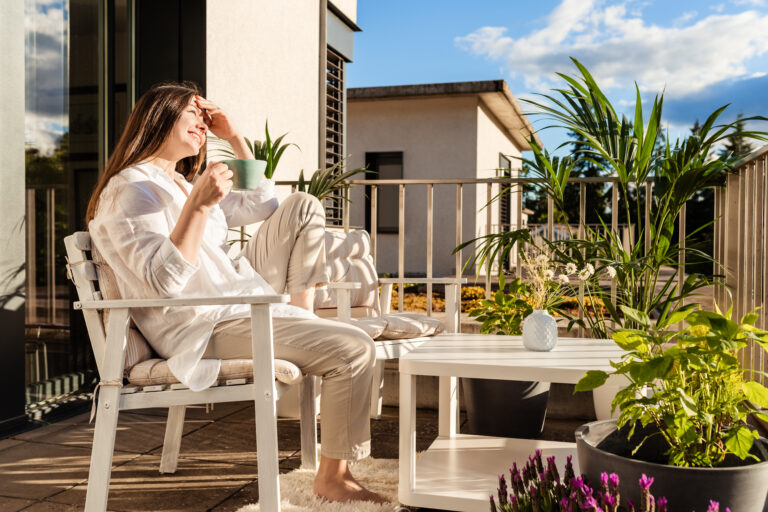
A gentle guide to slowing down, tuning out, and sinking into rest
Nighttime isn’t just the end of the day. It’s an invitation to soften. As the lights dim and the world quiets, your body naturally asks for stillness. Learning to listen to that cue can turn sleep into something more intentional, more restorative and a lot more enjoyable.
The Power of Dimming the World
Bright lights signal your brain to stay alert, even when you’re exhausted. Lower lighting helps your body shift into rest mode by supporting melatonin production. Soft lamps, warm bulbs and candlelight tell your nervous system it’s safe to slow down. Think of it as easing your body into night rather than forcing it there.
Creating a Low Light Ritual
Rituals help your body recognize patterns. When you repeat the same calming steps each evening, your system begins to unwind automatically. Dimming the lights, changing into comfortable clothes, and playing soft music can become signals that the day is officially done. Over time, this rhythm makes falling asleep feel effortless.
Less Screen Glow, More Inner Calm
Screens are one of the biggest sleep disruptors. The blue light keeps your brain stimulated and alert long after you’ve put your phone down. Turning devices off earlier or switching to warmer display settings can help reduce overstimulation. Even small changes can make nights feel quieter and more grounded.
Let Your Senses Lead
Nighttime care doesn’t have to be complicated. A calming scent, a warm shower or a comforting cup of herbal tea can bring your body back into itself. These sensory cues help you step out of thinking mode and into feeling mode, where rest comes naturally.
Sleep as an Act of Self Respect
Rest isn’t a reward you earn. It’s a form of care you deserve. Choosing to slow down, log off and let the night hold you is a powerful way to support both your mental and physical well-being. When you honor your need for rest, everything else feels easier.
Closing Thoughts
When the lights go low, it’s not about doing less. It’s about doing what matters. By softening your surroundings and your pace, you give your body permission to exhale. Sleep becomes less of a struggle and more of a gentle landing.