Culture

Graffiti

How Street Art Became a Global Language of Resistance and Identity

From local expression to a shared visual voice across borders Street art has grown from quiet acts of expression into a powerful global language. Once limited to specific neighborhoods and communities, it now appears on walls, bridges, and public spaces around the world. This art form speaks without permission, carrying messages of resistance, identity, and …

Fashion

How Fashion Became a Form of Cultural Storytelling

Every outfit carries a story long before it becomes a trend Fashion is often seen as something visual or seasonal, but it has always been more than clothes. What people wear tells stories about where they come from, what they value, and how they see the world. Long before fashion shows and social media, clothing …

Laos

The Best Places to Visit in Laos for Slow Travel

Laos invites you to slow down and notice the quiet details Laos is a country that moves at its own pace. Life feels gentle here, shaped by rivers, mountains, temples, and long pauses in the day. It is an ideal destination for slow travel, where the focus is not on ticking off attractions, but on …

Paintings

The Harlem Renaissance and How It Redefined Art, Music, and Identity

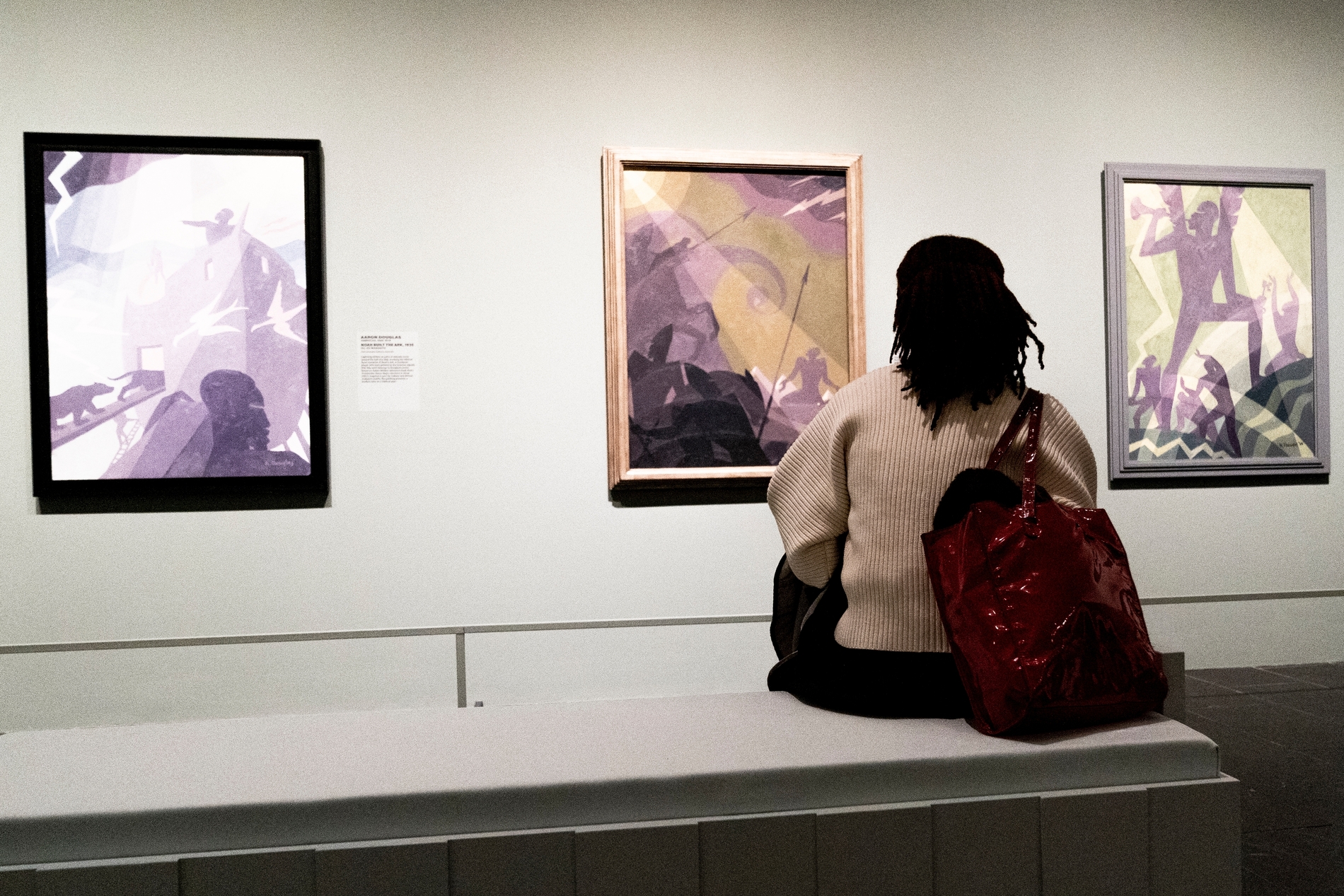
A Cultural Shift Begins In the early twentieth century, Harlem became the center of a powerful cultural movement. Black writers, artists, musicians, and thinkers gathered in this New York neighborhood to share ideas and express their experiences. This period came to be known as the Harlem Renaissance. It marked a turning point in how Black …

Japanese Wabi-Sabi

How Japanese Wabi-Sabi Changed the Way We See Beauty and Imperfection

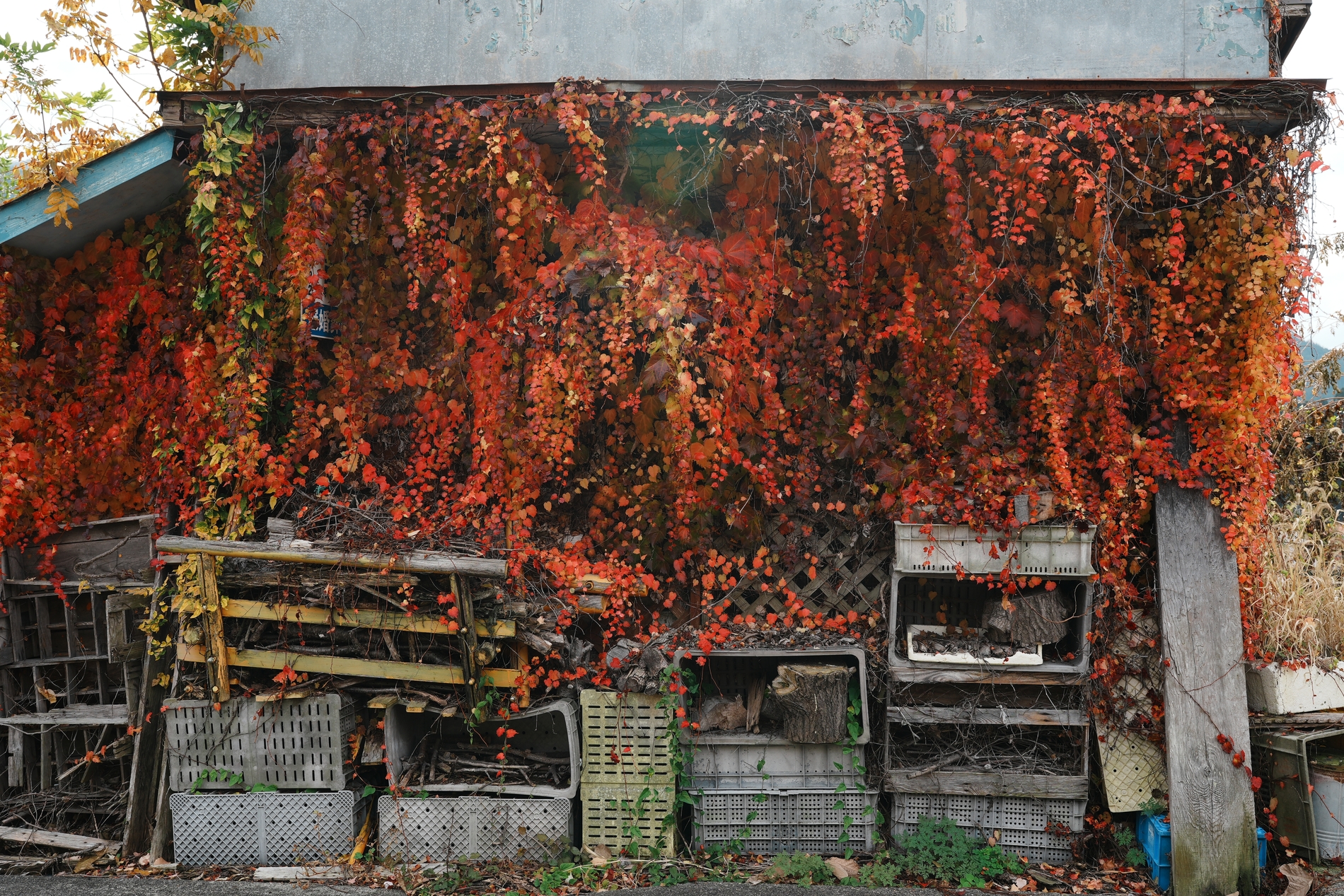
A Quiet Idea With a Lasting Impact Wabi-sabi is a Japanese way of thinking about beauty. It welcomes imperfection, age, and simplicity. This idea grew from everyday life in Japan, shaped by nature, time, and human touch. Over the years, it has gently influenced art, design, and even how people think about life itself. At …

middle eastern food

How Traditional Cuisine Tells the Story of a Culture

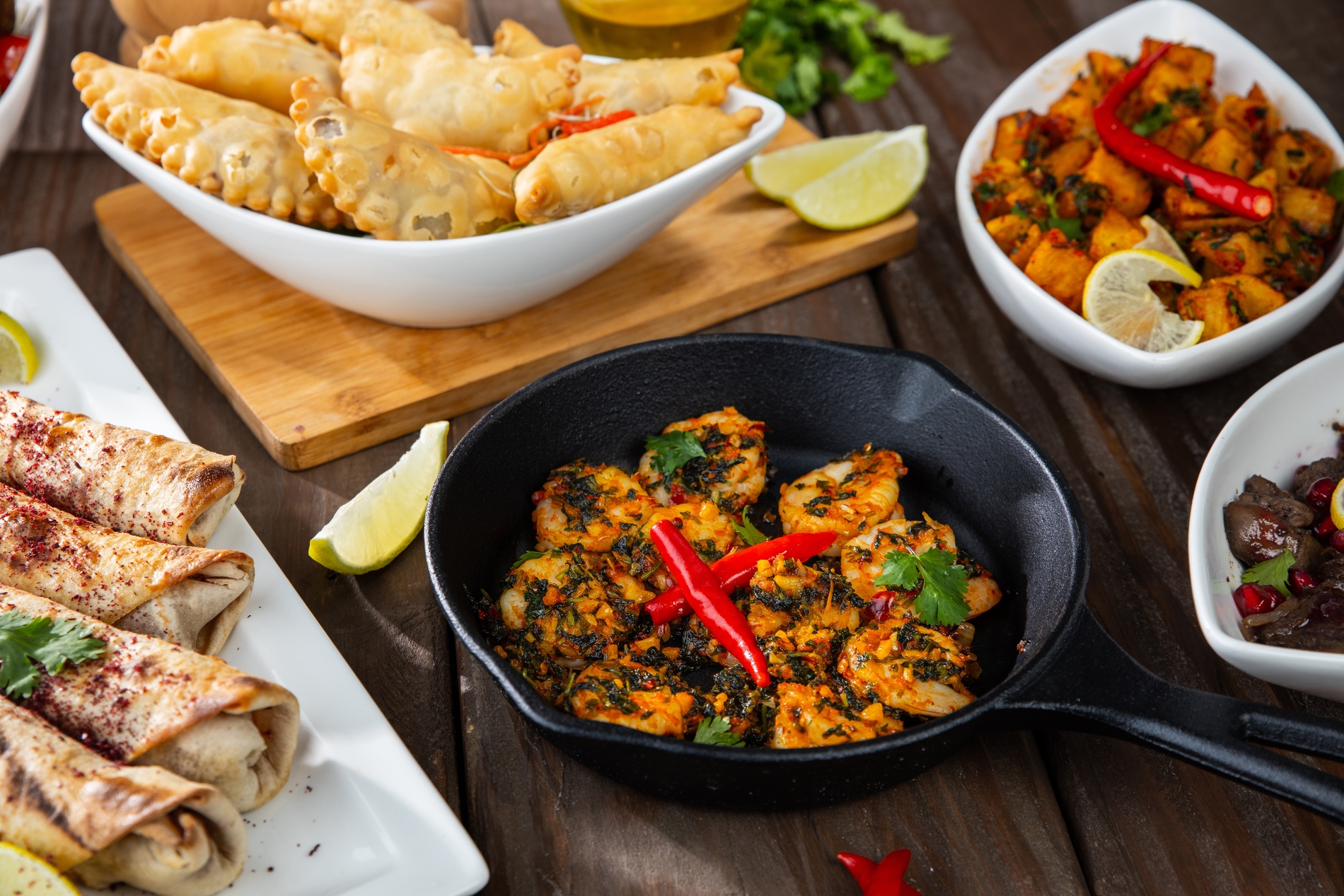
Telling Story Through Food Every culture has a story, and many of those stories are told long before they are written down. They live in kitchens, in family recipes, in the way ingredients are chosen and prepared. Traditional cuisine carries memory. It holds onto climate, geography, migration, celebration, and survival, all served on a plate. …

renaissance painting

The Geometry of Proportion in Renaissance Italian Painting

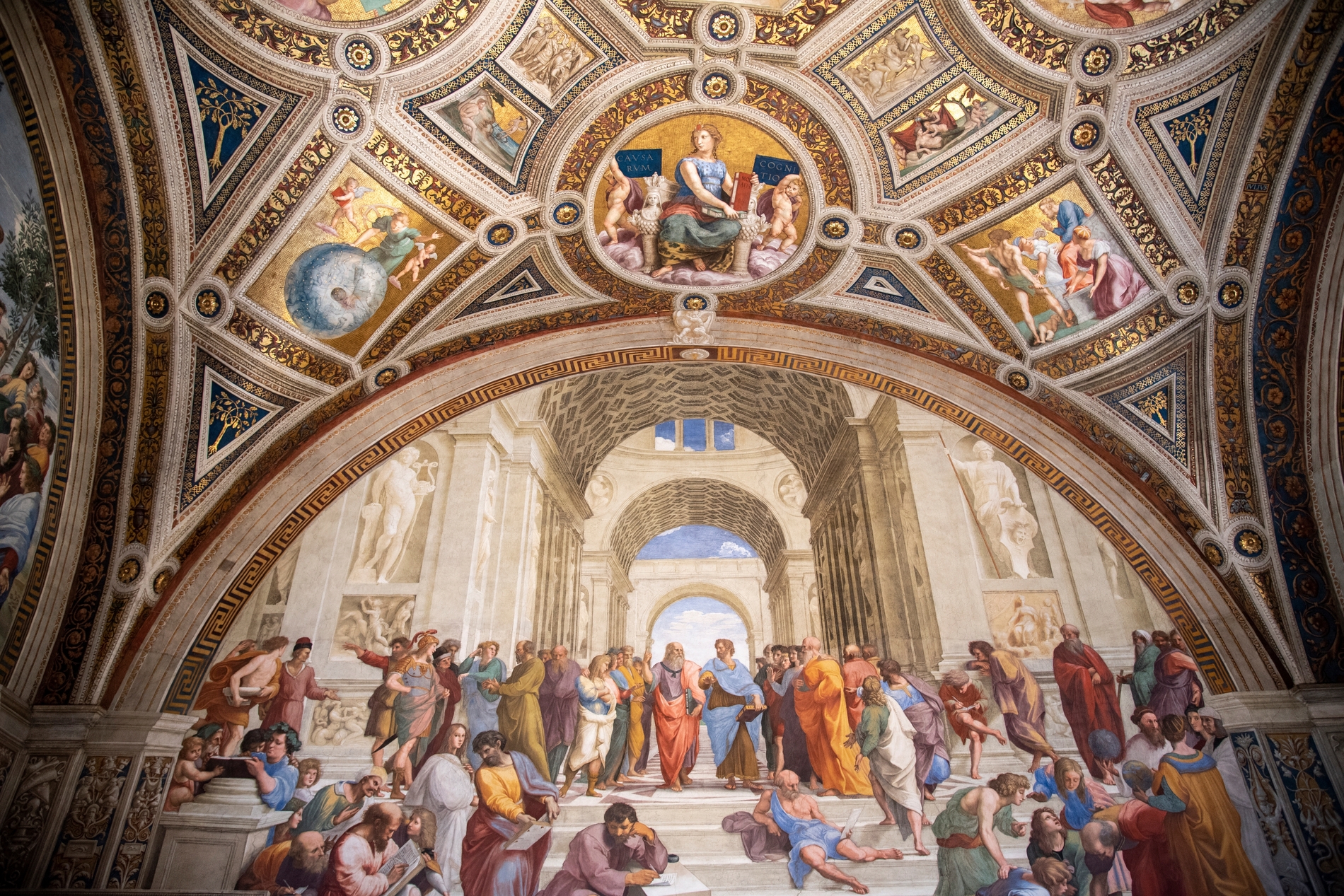
Mathematical order shaping realism, harmony, and visual meaning Renaissance Italian painting was shaped by a renewed interest in geometry and proportion as tools for understanding the visible world. Artists approached painting as both a visual and intellectual practice, using mathematical principles to organize space, structure figures, and create coherence within compositions. Geometry provided a system …

spices

The Cultural Meaning of Spice Blends in South Asian Cuisine

Culinary knowledge shaped through region, ritual, and generational practice https://youtu.be/E1mMgwp7iaE?si=soLwiwA-AP_ecNLt In South Asian cuisine, spice blends carry meaning that extends beyond flavor. They represent inherited knowledge, regional identity, and everyday decision-making rooted in tradition. Spice blends are not fixed recipes. They are systems shaped by climate, availability, cultural practice, and household preference. Spice blending developed …

music

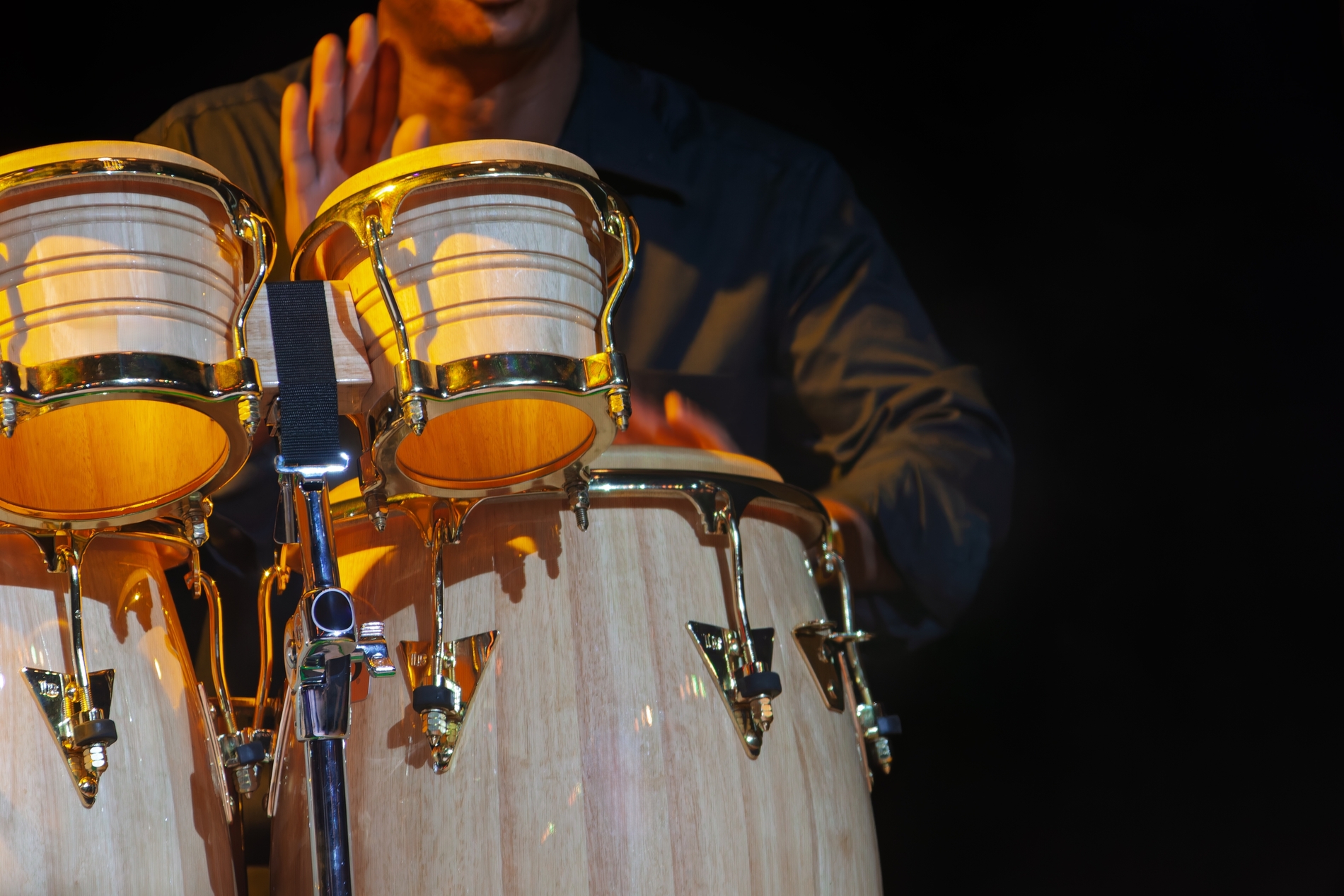
The Rythm & Resistance in Afro-Cuban Music and Dance

Cultural memory expressed through sound, movement, and collective practice Afro-Cuban music and dance developed within a history shaped by displacement, survival, and cultural continuity. Enslaved Africans brought rhythmic systems, spiritual traditions, and movement vocabularies that were preserved and adapted under restrictive conditions. Music and dance became ways to maintain identity and transmit knowledge across generations. …

ancient greek

The Role of Myth and Medicine in Ancient Greek Healing Practices

Healing understood through divine narrative, ritual practice, and early medical theory Ancient Greek healing practices developed within a cultural system where myth and medicine operated together. Illness was not viewed only as a physical condition. It was understood as an experience connected to the body, the mind, the divine, and the moral order. Healing therefore …