Thoughtful design that makes every square foot matter
Small spaces often get a bad reputation, but they can be some of the most inviting places to live and work. When designed with care, a compact room can feel calm, functional, and surprisingly open. The goal is not to make a space feel bigger in a dramatic way. It is to make it feel considered, balanced, and easy to live in.
Intentional design turns limitation into clarity. Every choice has a purpose, and that purpose shows.
Start with How the Space Is Used
Before choosing furniture or decor, take time to understand how the space will actually be used. Is it a place to relax, work, sleep, or do all three. Knowing this helps guide decisions and prevents clutter from building up later.
When a space has a clear role, it becomes easier to let go of items that do not support that purpose. This clarity alone creates a sense of openness.
Choose Furniture with Care
In small spaces, furniture does more than fill a room. It defines how the room functions. Pieces that are well scaled and thoughtfully designed make a noticeable difference. Look for furniture that feels light visually, with clean lines and raised legs that allow the floor to remain visible.
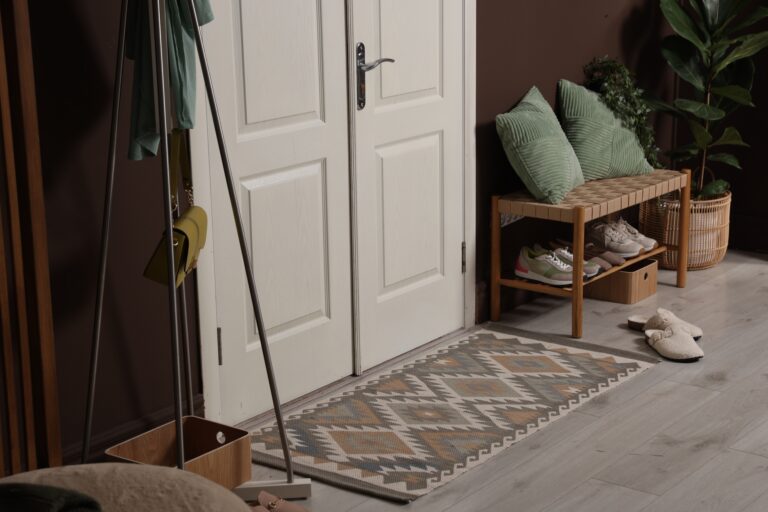
Multi use furniture adds flexibility. A bench with storage, a desk that doubles as a console, or a bed with drawers underneath keeps essentials close without crowding the room.
Let Light Lead the Design
Light plays a major role in how open a space feels. Natural light should be allowed to move freely through the room. Avoid heavy window coverings and choose lighter fabrics that soften light rather than block it.
Artificial lighting also matters. Layered lighting using floor lamps, wall lights, and soft overhead fixtures helps create depth. A well lit space feels more open and welcoming.
Use Color to Create Calm
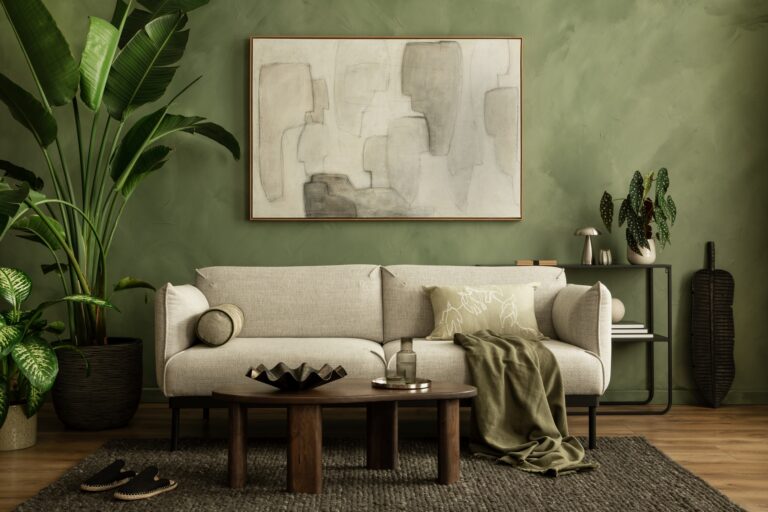
A simple color palette helps small spaces feel intentional. Soft neutrals, warm whites, and muted tones create continuity and reduce visual noise. This does not mean everything has to be the same color. Subtle variation adds interest while keeping the space grounded.
When color is used thoughtfully, even darker shades can feel cozy and refined without overwhelming the room.
Create Visual Flow
Visual flow helps the eye move easily around a space. Keeping sightlines clear and avoiding unnecessary breaks in design supports this feeling. Open shelving styled with restraint, mirrors placed to reflect light, and furniture arranged to allow easy movement all contribute to flow.
Mirrors deserve special mention. When placed thoughtfully, they reflect light and create depth, making a room feel more expansive.
Be Selective with Decor
Decor in small spaces works best when it is meaningful. A few well chosen pieces often have more impact than many small items. Art, plants, and textiles should feel intentional and connected to the overall mood of the space.
Negative space is just as important as what is displayed. Leaving some areas empty allows the room to breathe.
Storage That Disappears
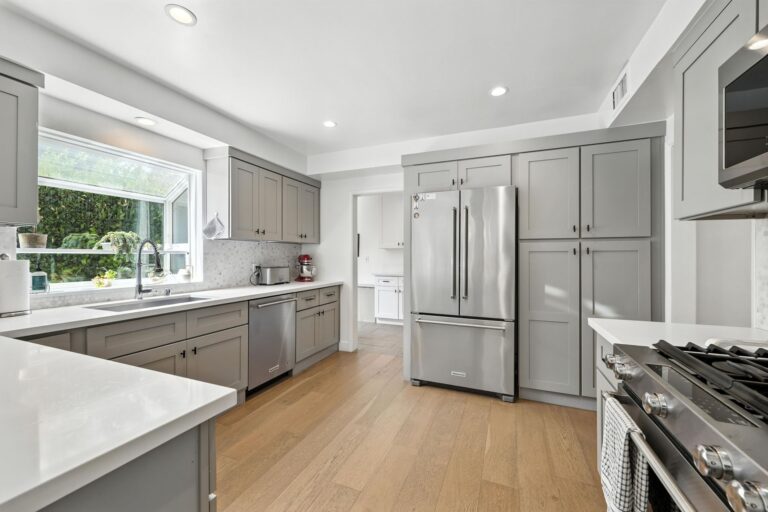
Smart storage keeps small spaces functional and calm. Built in storage, closed cabinets, and hidden compartments help maintain order without visual clutter. When items have a place, the space feels easier to live in.
This approach supports both practicality and peace of mind.
Final Thoughts
Creating small spaces that feel open and intentional is about thoughtful choices, not square footage. When design aligns with purpose, even the most compact room can feel spacious and grounded.
Intentional spaces support daily life with ease. They invite you to slow down, focus, and feel at home. In small spaces, every decision matters, and that is what makes them so powerful.