Let’s Design the Coziest Bedroom
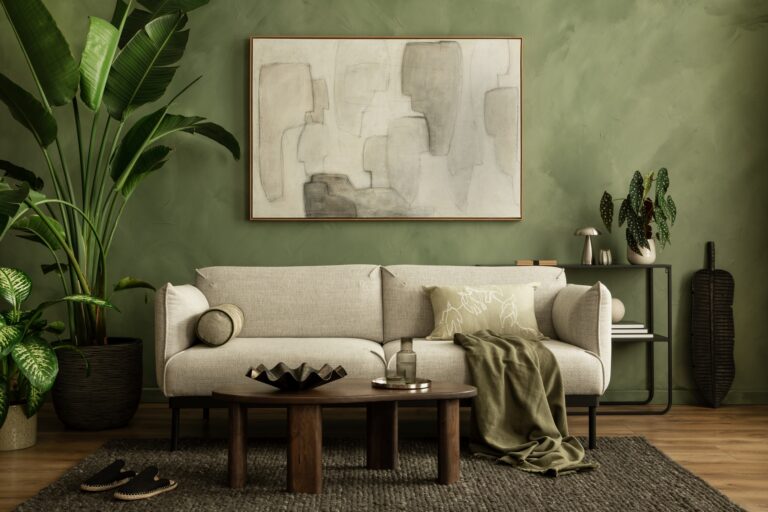
A restful bedroom begins with what your eyes take in first. Too much visual stimulation keeps the mind alert, even when the body is tired. Busy patterns, clashing colors, and too many focal points can quietly work against relaxation. Choosing a cohesive color palette helps create a sense of order and calm. This does not require neutral tones only, but it does mean colors should relate to one another and feel settled rather than loud.
When visual elements work together, the room feels easier to process, which supports rest without effort.
Let the Bed Anchor the Room
The bed is the emotional and physical center of the bedroom. Its placement affects how grounded the space feels. A bed that is awkwardly positioned, cramped, or visually competing with other furniture can create subtle tension. Giving the bed breathing room on both sides and placing it where it feels stable helps the entire room feel more balanced.
When the bed feels anchored, the room naturally feels more restful.
Use Lighting to Signal Rest
Lighting has a direct impact on how the body prepares for sleep. Bedrooms that rely only on overhead lighting often feel harsh and unfinished. Introducing softer, layered lighting allows the room to transition gently from day to night. Warm light from bedside lamps creates an atmosphere that encourages slowing down rather than staying alert.
Good lighting does not just illuminate the room. It sets the emotional tone for rest.
Be Selective About What Belongs
An intentional bedroom includes only what supports its purpose. Items tied to work, stress, or constant stimulation pull focus away from rest. This does not mean the room should feel empty or impersonal. It means every object should earn its place.
When the bedroom is free from unnecessary distractions, it becomes easier to mentally disconnect at the end of the day.
Layer Texture for Comfort
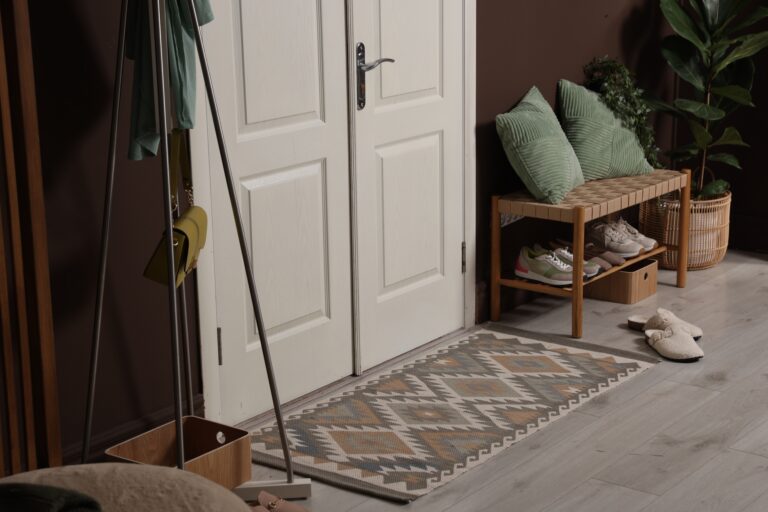
Texture adds warmth without adding visual noise. Soft bedding, natural fabrics, and comfortable rugs make the space feel physically inviting. These elements help the bedroom feel supportive rather than sterile. A room that feels good to touch often feels safer and calmer to be in.
Texture turns a bedroom from a styled space into a lived in one.
Add Personal Touches With Restraint
Personal items help a bedroom feel like yours, but too many can overwhelm the space. A few meaningful pieces, such as art, books, or objects tied to memory, add character without clutter. Giving these items space allows them to feel intentional rather than decorative filler.
Personal does not mean crowded. It means considered.
Design Around Your Nighttime Routine
A bedroom should support how you actually wind down. If you read at night, lighting and seating should make that comfortable. If quiet matters, sound and layout should reflect that. When the room aligns with your habits, rest feels natural instead of forced.
Intentional design works best when it matches real life, not ideal routines.
A bedroom that feels restful and intentional is not built through trends or excess. It is shaped by clarity, comfort, and alignment. When the space supports rest in both form and function, sleep becomes easier and the room becomes a place to truly reset.