On brightness, shadow, and the quiet power of how light moves through a room
Light is one of the most influential elements in any space, yet it is often treated as an afterthought. Natural light, in particular, shapes how a room feels emotionally as much as visually. It affects mood, energy, and even how spacious or calm a space appears. When light is considered intentionally, it can completely change how a home is experienced.
Natural light brings movement into a room. As the sun shifts throughout the day, so does the atmosphere. Morning light feels fresh and activating, while afternoon light softens edges and adds warmth. Evening light stretches shadows and slows the pace of a space. This constant change makes rooms feel alive rather than static.
The direction and quality of natural light matter just as much as its presence. North facing light tends to be cooler and more even, creating a calm and consistent environment. South facing light is brighter and more dramatic, often filling rooms with warmth and contrast. East and west facing light bring strong personality, with softer mornings or glowing sunsets that influence how a space is used at different times of day.
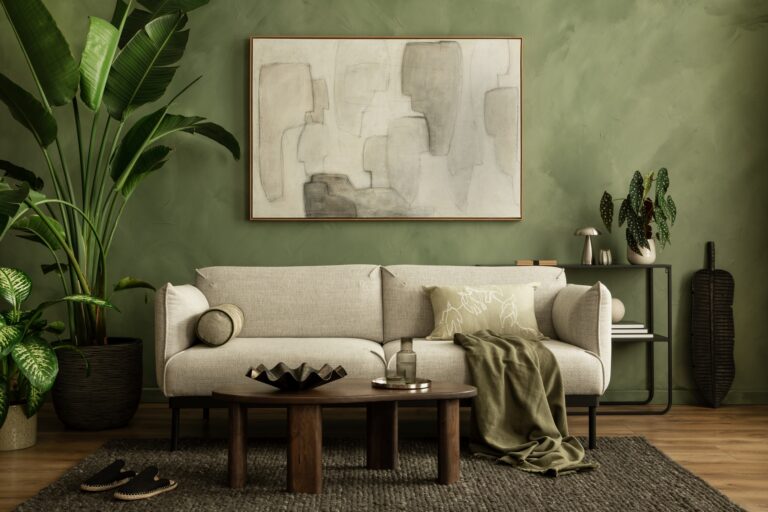
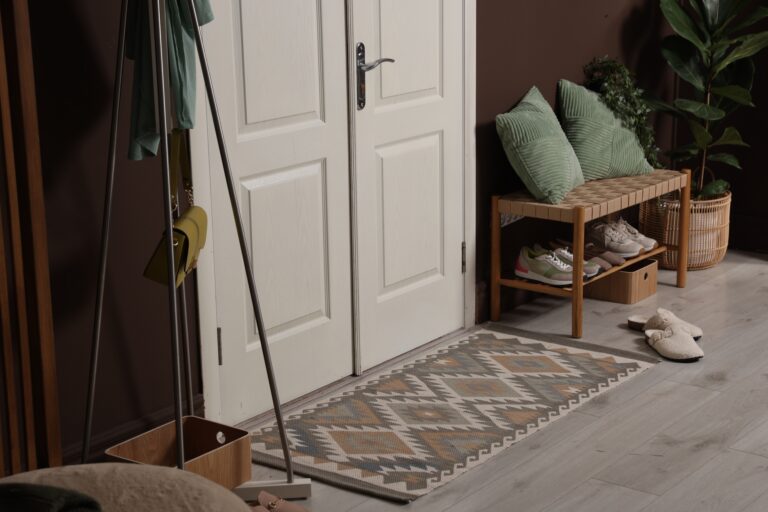
How a room responds to natural light depends heavily on what surrounds it. Wall color, flooring, furniture finishes, and textiles all interact with light differently. Lighter surfaces reflect light and make spaces feel more open, while darker materials absorb it, creating depth and intimacy. Neither is better. They simply serve different emotional purposes.
Artificial lighting becomes essential once natural light fades, but it works best when it complements rather than competes with daylight. Overhead lighting alone can feel harsh and flatten a room. Layered lighting creates flexibility and mood. Lamps, wall lights, and low level lighting help mimic the softness of natural light and support how spaces are actually used.
Low lighting plays a crucial role in how comfortable a space feels in the evening. Dimming lights, using warm bulbs, or relying on table lamps instead of ceiling fixtures signals rest. It tells the body that it is time to slow down. This is why rooms with softer lighting often feel more inviting, even if nothing else changes.
The balance between natural and artificial light also affects how intentional a home feels. Spaces that adjust easily from day to night feel more livable. A room that feels bright and energizing during the day and calm at night supports a wider range of activities without needing redesign.
Light also influences how people behave in a space. Bright, open rooms encourage movement and focus. Dimmer, warmer environments invite conversation and rest. When lighting matches the purpose of a room, the space feels intuitive rather than forced.
Understanding light means paying attention to how it enters, moves, and fades. It means noticing when a room feels too stark or too dim and adjusting accordingly. Often, the solution is not new furniture or decor, but a shift in how light is allowed to shape the space.
Natural light transforms rooms because it connects interior spaces to the outside world. When paired thoughtfully with artificial lighting, it creates balance. The result is a home that feels responsive, comfortable, and deeply human, shaped as much by light as by the objects within it.